The Advantages of Utilizing Aluminum Shop for High-Quality Steel Casting Solutions
Aluminum foundries use unique benefits for premium metal casting remedies. Their light-weight residential properties add to structural integrity while boosting gas performance throughout numerous applications. Additionally, light weight aluminum's phenomenal deterioration resistance assurances sturdiness, reducing long-lasting maintenance prices. This flexibility allows for intricate styles in numerous sectors. Aluminum Foundry. Nevertheless, the advantages prolong past these attributes, hinting at a wider effect on producing procedures and sustainability. What various other factors make aluminum an increasingly prominent selection in today's market?
Lightweight Properties of Aluminum Alloys
Aluminum alloys are renowned for their lightweight homes, making them a recommended option in numerous industries, consisting of aerospace and automotive. The thickness of aluminum is around one-third that of steel, permitting significant weight reductions without endangering structural integrity. This attribute makes it possible for manufacturers to create parts that improve fuel efficiency and general efficiency in lorries and airplane.
The use of light weight aluminum alloys adds to decrease transport expenses due to minimized weight, which is particularly helpful in delivery and logistics. Designers and developers take advantage of these materials to produce complex forms and layouts that would certainly be not practical with much heavier metals. The capability to incorporate lightweight attributes with stamina and resilience makes aluminum alloys an excellent alternative for applications requiring extensive performance requirements. Overall, the light-weight nature of light weight aluminum alloys positions them as a vital product ahead of time innovation and enhancing sustainability throughout different industries.
Extraordinary Rust Resistance
When subjected to severe atmospheres, materials commonly catch destruction; nevertheless, light weight aluminum alloys exhibit outstanding deterioration resistance that establishes them apart. This remarkable home originates from an all-natural oxide layer that creates on the surface area of aluminum, offering a safety obstacle against dampness, salt, and other corrosive representatives. Unlike several metals, light weight aluminum does not corrosion, which makes it an optimal choice for applications in marine, auto, and building and construction industries.
In addition, aluminum alloys can be treated with various finishes and finishes to improve their rust resistance even more. These treatments guarantee longevity and sturdiness, minimizing maintenance prices over time. The capacity to endure corrosive conditions without significant deterioration allows manufacturers to count on light weight aluminum components for extensive durations, inevitably leading to better functional effectiveness. As a result, the extraordinary rust resistance of light weight aluminum alloys positions them as a premium alternative for top quality metal spreading options in diverse settings.
Superior Strength-to-Weight Ratio
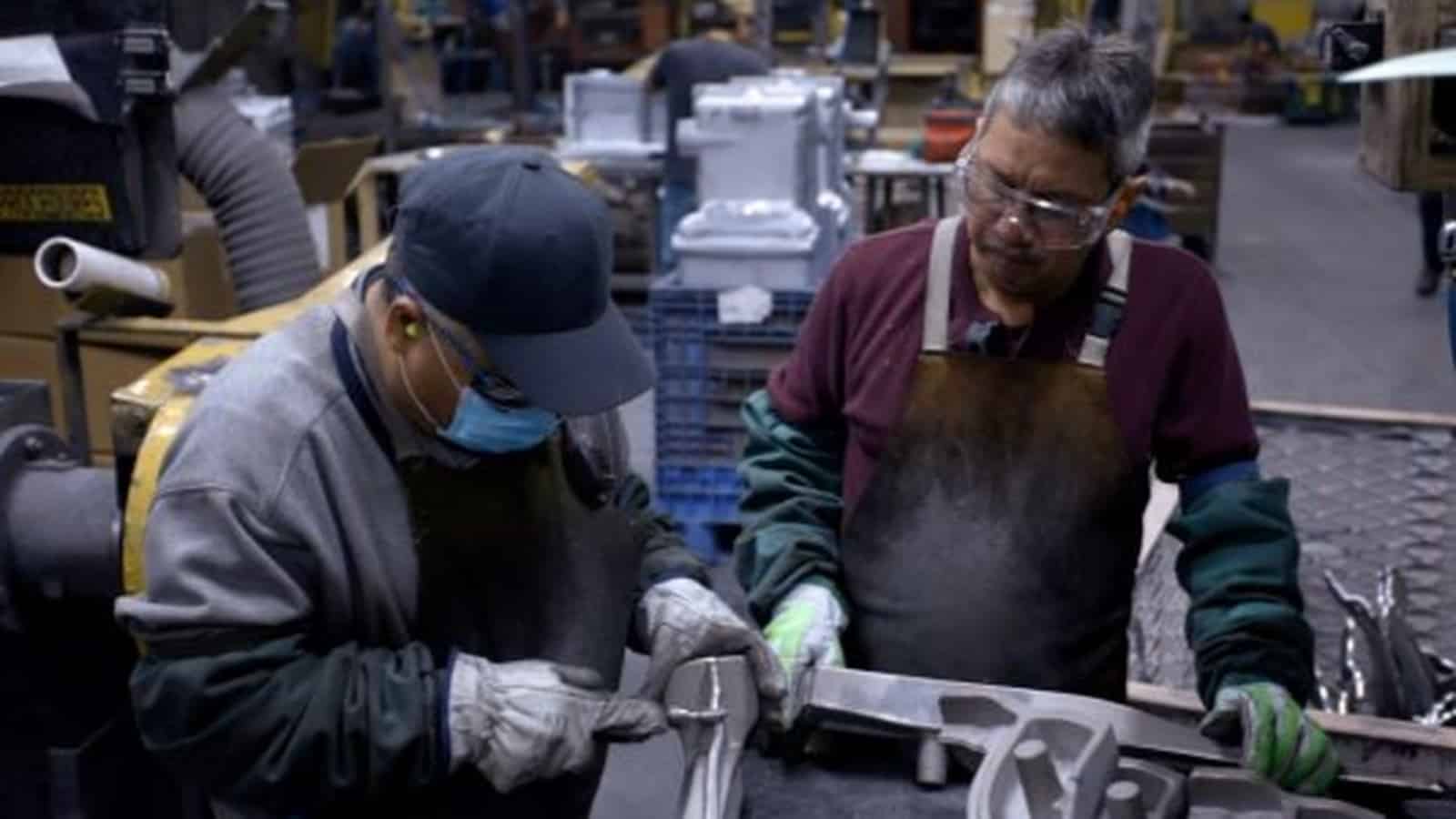
The strength-to-weight proportion of light weight aluminum alloys is particularly beneficial in applications where weight financial savings is crucial. As an example, in aerospace engineering, lighter parts add to boosted fuel performance and performance. The mix of strength and minimized mass likewise promotes easier handling and assembly throughout making procedures. Subsequently, aluminum foundries play a crucial duty in creating top quality spreadings that utilize these residential or commercial properties, guaranteeing that industries can fulfill the demands of modern engineering challenges effectively.
Versatility in Applications
Aluminum foundries demonstrate exceptional adaptability across different sectors, accommodating a broad range of applications. Their ability to personalize remedies guarantees that specific demands are fulfilled, boosting functionality and effectiveness. This flexibility makes aluminum casting a favored choice in markets such as vehicle, aerospace, and consumer items.
Diverse Market Applications
Flexibility defines the role of light weight aluminum foundries in various markets, showcasing their capability to adjust to a wide range of applications. These foundries offer industries such as vehicle, aerospace, and durable goods, demonstrating their varied abilities. In the automobile industry, aluminum spreadings contribute to lightweight designs, enhancing gas efficiency and efficiency. Aerospace applications profit from the strength-to-weight proportion of light weight aluminum, essential for aircraft components. In addition, consumer items, consisting of electronic devices and devices, take advantage of light weight aluminum's toughness and visual allure. The factory's capability to produce elaborate forms and complex layouts accommodates the distinct needs of each industry, ensuring top notch options. This flexibility not only improves production effectiveness but additionally promotes development across varied market sectors, strengthening aluminum's role as a recommended material.
Customization for Particular Demands
Tailoring light weight aluminum castings to meet particular customer demands exhibits the adaptability of foundries in dealing with one-of-a-kind market difficulties. Factories can produce personalized designs that accommodate numerous requirements, guaranteeing suitable performance for diverse applications. This versatility permits the manufacturing of elements with distinct forms, sizes, and weights, enhancing their functionality in specific settings. Additionally, progressed casting techniques allow the consolidation of specialized alloys, which can boost buildings such as strength, rust resistance, and thermal conductivity. By collaborating closely with customers, light weight aluminum foundries can identify specific requirements and deliver customized solutions that straighten with task objectives. This commitment to modification not just fosters technology however also positions light weight aluminum castings as a recommended choice throughout numerous sectors.
Boosted Production Performance
Improved production effectiveness in aluminum foundries is attained via structured production procedures that maximize process. By implementing these processes, foundries can substantially decrease lead times, enabling quicker turnaround on tasks. Additionally, cost-efficient manufacturing techniques better enhance general efficiency, adding to enhanced competition in the market.
Streamlined Production Processes
Streamlining production processes is essential for attaining enhanced production efficiency in aluminum foundries. By maximizing process, aluminum foundries can decrease waste and minimize functional costs. Automated systems play a pivotal function, allowing for precise control over spreading parameters and guaranteeing consistent high quality. Furthermore, the integration of advanced modern technologies, such as computer-aided layout (CAD) and simulation software, promotes much better planning and source allocation. This not just increases the useful link design-to-production cycle however likewise site link enhances the capability to adjust to transforming market demands. Worker training and growth add to an extra experienced labor force, qualified of running sophisticated machinery. Eventually, these structured procedures result in enhanced outcome, enabling light weight aluminum foundries to satisfy consumer expectations while preserving affordable pricing.
Decreased Lead Times
Attaining decreased preparations is a straight benefit of executing streamlined production procedures in aluminum foundries. By maximizing process and reducing traffic jams, these foundries enhance production efficiency, allowing for quicker turn-around on projects. Automation innovations and accurate organizing even more add to this effectiveness, enabling makers to react quickly to consumer needs. The capacity to create premium castings in shorter timeframes not only pleases client expectations but additionally reinforces competitive placing in the market. Furthermore, decreased lead times facilitate far better supply administration, as organizations can change their supply chains with better dexterity. Basically, light weight aluminum foundries that focus on reduced preparations can use remarkable service while preserving the top quality standards important for premium steel casting remedies.
Affordable Production Techniques

Cost-efficient Production Processes
Lots of light weight aluminum foundries are progressively taking on cost-efficient production procedures to improve performance while decreasing costs. These procedures often include innovative innovations such as automation and accuracy casting, which improve procedures and decrease labor prices. By making use of computer-aided design (CAD) and computer numerical control (CNC) machinery, foundries can achieve higher precision and decrease material waste, he said leading to more efficient manufacturing cycles.
In addition, making use of lean production concepts allows foundries to maximize their operations, remove bottlenecks, and boost total efficiency. This focus on constant improvement not just reduces production prices however also boosts item quality.
Calculated sourcing of raw products can further add to cost financial savings, guaranteeing that foundries keep affordable prices without compromising on high quality. Overall, these cost-effective production processes position aluminum foundries to fulfill expanding market needs while keeping productivity and sustainability in the steel spreading industry.
Eco-Friendly and Recyclable Material
Aluminum foundries are progressively recognizing the significance of green and recyclable materials in their production processes. Aluminum itself is among the most recyclable metals, with the capacity to be reused indefinitely without losing its buildings. This characteristic significantly lowers the ecological footprint associated with metal casting, as recycled light weight aluminum needs just a portion of the power needed to produce new aluminum from bauxite ore.
Using recycled aluminum not only lessens waste yet likewise saves natural sources and lowers greenhouse gas exhausts. As markets change towards lasting methods, light weight aluminum foundries are taking on extra eco-conscious methods, such as using energy-efficient modern technologies and lowering hazardous emissions throughout manufacturing.
Frequently Asked Concerns
What Kinds Of Aluminum Alloys Are Generally Used in Factory Processes?
Frequently used light weight aluminum alloys in foundry procedures consist of A356, A380, and A413 (Aluminum Foundry). These alloys are favored for their excellent castability, mechanical buildings, and deterioration resistance, making them ideal for various commercial applications and elements
Just How Does Aluminum Casting Compare to Various Other Metal Casting Approaches?
Aluminum casting deals benefits such as lighter weight, excellent rust resistance, and great thermal conductivity contrasted to various other metal spreading methods. In addition, it provides exceptional surface coating and accuracy, making it a preferred choice for many applications.
What Industries Advantage The Majority Of From Aluminum Foundry Solutions?
Numerous markets, consisting of auto, aerospace, electronic devices, and building, substantially gain from aluminum factory services. These sectors leverage aluminum's lightweight, corrosion-resistant residential properties and convenience, making certain high-performance elements and cost-effective manufacturing services for varied applications.
Just how Does the Recycling Refine for Aluminum Job?
The recycling process for aluminum entails gathering scrap, shredding it, melting it down, and removing pollutants. This recycled light weight aluminum can after that be cast right into new products, significantly lowering power usage and ecological effect compared to primary manufacturing.
What Are the Common Lead Times for Aluminum Casting Projects?
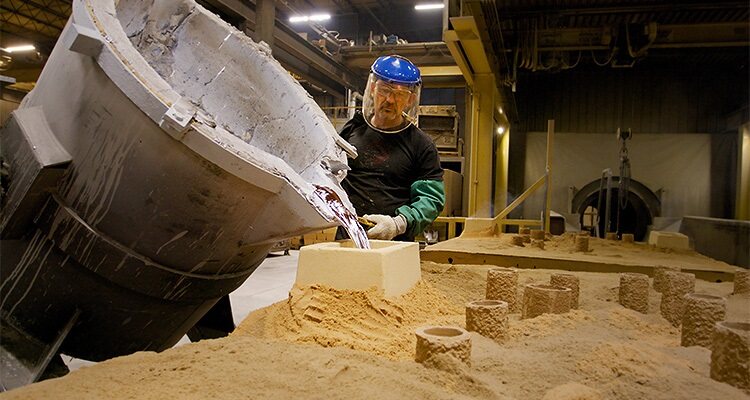
Preparations for aluminum casting projects usually vary from a couple of weeks to numerous months, depending upon aspects such as task complexity, mold preparation, and manufacturing volume, which jointly influence the general timeline for conclusion.
Comments on “3D printing innovations shaping Aluminum Foundry processes”